Skip to content

Blog Posts

Page 7 of 23 (535 articles)

# How to Choose a Door Frame for Exterior Doors

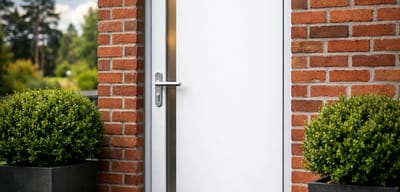
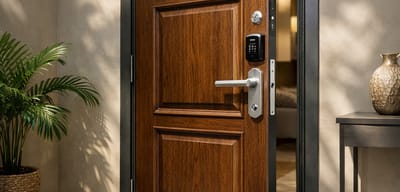
When selecting a door frame for your **exterior doors**, there are several important factors to consider to ensure durability, security, and aesthetic appeal. Here are some tips to guide you in making the right choice:

1. **Material**: Choose a material that can withstand various weather conditions. Common options include wood, metal, and fiberglass. Each material has its own benefits and drawbacks.

2. **Size**: Make sure to measure the opening accurately to ensure a proper fit. The **door frame** should match the dimensions of the **door leaf** you intend to install.

3. **Insulation**: Consider the thermal and acoustic insulation properties of the **door frame**. A well-insulated frame will help maintain temperature and reduce noise.

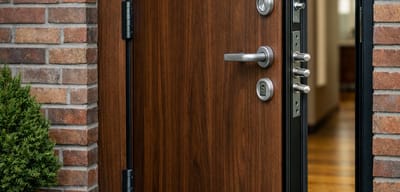
4. **Security Features**: Look for frames that offer additional security features, such as reinforced materials or compatibility with **anti-burglary doors**.

5. **Aesthetics**: The **door frame** should complement the overall design of your home. Consider the style, color, and finish that will best match your **entrance doors**.

6. **Installation**: Proper installation is crucial for the performance of your **exterior doors**. Consider hiring a professional for the **installation** to ensure everything is fitted correctly.

7. **Maintenance**: Choose a **door frame** that requires minimal maintenance to keep it looking good and functioning well over time.

By keeping these factors in mind, you can select the best **door frame** for your **exterior doors** that meets your needs and enhances your home's entrance.

# How to Choose a Door Frame for Exterior Doors When selecting a door frame for your **exterior doors**, there are several important factors to consider to ensure durability, security, and aesthetic appeal. Here are some tips to guide you in making the right choice: 1. **Material**: Choose a material that can withstand various weather conditions. Common options include wood, metal, and fiberglass. Each material has its own benefits and drawbacks. 2. **Size**: Make sure to measure the opening accurately to ensure a proper fit. The **door frame** should match the dimensions of the **door leaf** you intend to install. 3. **Insulation**: Consider the thermal and acoustic insulation properties of the **door frame**. A well-insulated frame will help maintain temperature and reduce noise. 4. **Security Features**: Look for frames that offer additional security features, such as reinforced materials or compatibility with **anti-burglary doors**. 5. **Aesthetics**: The **door frame** should complement the overall design of your home. Consider the style, color, and finish that will best match your **entrance doors**. 6. **Installation**: Proper installation is crucial for the performance of your **exterior doors**. Consider hiring a professional for the **installation** to ensure everything is fitted correctly. 7. **Maintenance**: Choose a **door frame** that requires minimal maintenance to keep it looking good and functioning well over time. By keeping these factors in mind, you can select the best **door frame** for your **exterior doors** that meets your needs and enhances your home's entrance.

April 3, 20253

## How to Choose Door Frames for Exterior Doors Choosing the right door frames for exterior doors is not only a matter of aesthetics but also practicality

# How to Choose Doors for the Needs of People with Disabilities

Wybór odpowiednich **interior doors** dla osób z niepełnosprawnościami jest kluczowy, aby zapewnić im komfort i bezpieczeństwo. Oto kilka wskazówek, które mogą pomóc w dokonaniu właściwego wyboru:

1. **Szerokość drzwi**: Upewnij się, że **door leaf** ma odpowiednią szerokość, aby umożliwić wjazd wózka inwalidzkiego. Standardowa szerokość to co najmniej 90 cm.

2. **Rodzaj drzwi**: Rozważ zastosowanie **sliding doors**, które zajmują mniej miejsca i są łatwiejsze w użyciu dla osób z ograniczoną mobilnością.

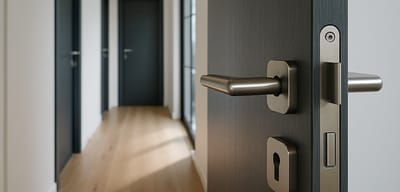
3. **Zamek i klamka**: Wybierz **door handle**, który jest łatwy do uchwycenia i obsługi. Zamek powinien być prosty w użyciu, aby nie sprawiał trudności.

4. **Zawiasy**: Upewnij się, że **hinges** są dobrze zamontowane i działają płynnie, aby drzwi nie zacinały się.

5. **Uszczelki**: Zainstaluj **seal**, aby zapewnić lepszą izolację akustyczną i termiczną, co jest szczególnie ważne dla osób z problemami ze słuchem lub wrażliwością na temperaturę.

6. **Próg**: Zadbaj o to, aby **threshold** był niski lub całkowicie zlikwidowany, co ułatwi przejazd wózka inwalidzkiego.

7. **Izolacja**: Wybierz **acoustic insulation** i **thermal insulation**, aby zapewnić komfort akustyczny i termiczny.

8. **Montaż**: Zleć **installation** profesjonalistom, aby upewnić się, że wszystko jest zainstalowane prawidłowo i bezpiecznie.

9. **Konserwacja**: Regularna **maintenance** drzwi jest ważna, aby zapewnić ich prawidłowe działanie przez długi czas.

Pamiętaj, że wybór odpowiednich **entrance doors** i **exterior doors** również ma znaczenie, zwłaszcza w kontekście bezpieczeństwa, dlatego warto rozważyć **anti-burglary doors** oraz **fire-rated doors**.

W Warszawie znajdziesz wiele salonów (**showrooms**), które oferują różnorodne rozwiązania dostosowane do potrzeb osób z niepełnosprawnościami.

# How to Choose Doors for the Needs of People with Disabilities Wybór odpowiednich **interior doors** dla osób z niepełnosprawnościami jest kluczowy, aby zapewnić im komfort i bezpieczeństwo. Oto kilka wskazówek, które mogą pomóc w dokonaniu właściwego wyboru: 1. **Szerokość drzwi**: Upewnij się, że **door leaf** ma odpowiednią szerokość, aby umożliwić wjazd wózka inwalidzkiego. Standardowa szerokość to co najmniej 90 cm. 2. **Rodzaj drzwi**: Rozważ zastosowanie **sliding doors**, które zajmują mniej miejsca i są łatwiejsze w użyciu dla osób z ograniczoną mobilnością. 3. **Zamek i klamka**: Wybierz **door handle**, który jest łatwy do uchwycenia i obsługi. Zamek powinien być prosty w użyciu, aby nie sprawiał trudności. 4. **Zawiasy**: Upewnij się, że **hinges** są dobrze zamontowane i działają płynnie, aby drzwi nie zacinały się. 5. **Uszczelki**: Zainstaluj **seal**, aby zapewnić lepszą izolację akustyczną i termiczną, co jest szczególnie ważne dla osób z problemami ze słuchem lub wrażliwością na temperaturę. 6. **Próg**: Zadbaj o to, aby **threshold** był niski lub całkowicie zlikwidowany, co ułatwi przejazd wózka inwalidzkiego. 7. **Izolacja**: Wybierz **acoustic insulation** i **thermal insulation**, aby zapewnić komfort akustyczny i termiczny. 8. **Montaż**: Zleć **installation** profesjonalistom, aby upewnić się, że wszystko jest zainstalowane prawidłowo i bezpiecznie. 9. **Konserwacja**: Regularna **maintenance** drzwi jest ważna, aby zapewnić ich prawidłowe działanie przez długi czas. Pamiętaj, że wybór odpowiednich **entrance doors** i **exterior doors** również ma znaczenie, zwłaszcza w kontekście bezpieczeństwa, dlatego warto rozważyć **anti-burglary doors** oraz **fire-rated doors**. W Warszawie znajdziesz wiele salonów (**showrooms**), które oferują różnorodne rozwiązania dostosowane do potrzeb osób z niepełnosprawnościami.

March 29, 2025

## How to Choose Doors for People with Disabilities? Choosing doors for people with disabilities requires consideration of various user needs. It is cruci

# How and What to Paint Interior Doors

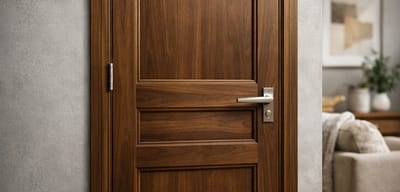
Painting interior doors can enhance the aesthetics of your home and protect the door surface. Here’s a guide on how to do it effectively.

## Materials Needed

- Sandpaper
- Primer
- Paint (preferably latex or acrylic)
- Paintbrush or roller
- Drop cloths
- Painter's tape
- Door handle and lock removal tools

## Steps to Follow

1. **Preparation**
   - Remove the door from the door frame by unscrewing the hinges.
   - Take off the door handle and lock for easier painting.
   - Lay the door flat on a pair of sawhorses or a flat surface covered with drop cloths.

2. **Sanding**
   - Use sandpaper to lightly sand the surface of the door. This helps the primer and paint adhere better.
   - Wipe off any dust with a damp cloth.

3. **Priming**
   - Apply a coat of primer to the door. This is especially important if you are painting over a dark color or if the door is made of a material that needs sealing.
   - Allow the primer to dry completely.

4. **Painting**
   - Once the primer is dry, apply the first coat of paint using a paintbrush or roller. Start with the edges and then paint the flat surfaces.
   - After the first coat dries, inspect for any uneven areas and apply a second coat if necessary.

5. **Reassembly**
   - Once the paint is fully dry, reattach the door handle and lock.
   - Hang the door back on the door frame.

## Maintenance Tips

- Regularly check for any chips or scratches in the paint and touch them up as needed.
- Clean the door with a damp cloth to keep it looking fresh.

By following these steps, you can achieve a professional-looking finish on your interior doors.

# How and What to Paint Interior Doors Painting interior doors can enhance the aesthetics of your home and protect the door surface. Here’s a guide on how to do it effectively. ## Materials Needed - Sandpaper - Primer - Paint (preferably latex or acrylic) - Paintbrush or roller - Drop cloths - Painter's tape - Door handle and lock removal tools ## Steps to Follow 1. **Preparation** - Remove the door from the door frame by unscrewing the hinges. - Take off the door handle and lock for easier painting. - Lay the door flat on a pair of sawhorses or a flat surface covered with drop cloths. 2. **Sanding** - Use sandpaper to lightly sand the surface of the door. This helps the primer and paint adhere better. - Wipe off any dust with a damp cloth. 3. **Priming** - Apply a coat of primer to the door. This is especially important if you are painting over a dark color or if the door is made of a material that needs sealing. - Allow the primer to dry completely. 4. **Painting** - Once the primer is dry, apply the first coat of paint using a paintbrush or roller. Start with the edges and then paint the flat surfaces. - After the first coat dries, inspect for any uneven areas and apply a second coat if necessary. 5. **Reassembly** - Once the paint is fully dry, reattach the door handle and lock. - Hang the door back on the door frame. ## Maintenance Tips - Regularly check for any chips or scratches in the paint and touch them up as needed. - Clean the door with a damp cloth to keep it looking fresh. By following these steps, you can achieve a professional-looking finish on your interior doors.

March 20, 20253

Odkryj, jak malować drzwi wewnętrzne, aby poprawić ich wygląd i trwałość. Sprawdź nasz prosty przewodnik krok po kroku.